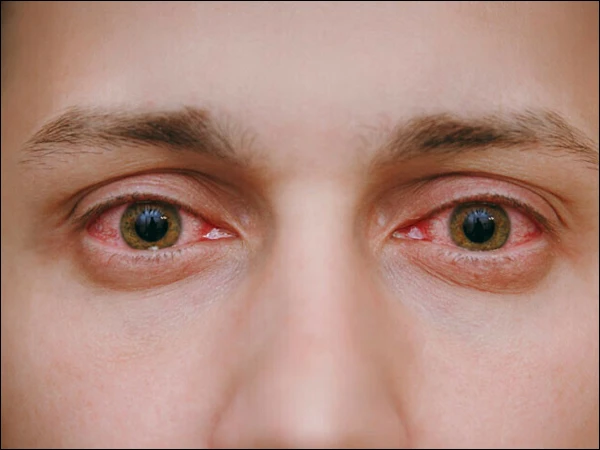
While the monsoon season provides temporary relief from the heat, it also increases the risk of spreading various diseases. Eye infections are among these seasonal problems, which become more common during the rainy season. According to experts, the increased humidity, pollution, and germs in the air make the eyes more susceptible to bacteria and viruses._x000D_
_x000D_
Experts say that during rainy days, the presence of dirt, dust, polluted water, and allergens increases eye problems. In case of infection, the eyes can become inflamed and the white part of the eye starts to appear red, which also affects daily routines._x000D_
_x000D_
Common symptoms of eye infections include eye inflammation, pain, constant watering, blurred vision, and redness of the eyes. If these symptoms intensify, it is important to seek immediate medical advice._x000D_
_x000D_
According to experts, taking special care of hygiene during this season is the most effective preventive measure. Washing your hands frequently with soap, not touching your eyes with dirty hands, and maintaining daily hygiene can reduce the chances of infection._x000D_
_x000D_
Avoid rubbing your eyes repeatedly if they feel itchy or irritated, as this can spread germs further. Using a clean tissue or handkerchief to clean your eyes is a safer way to clean them._x000D_
_x000D_
If your eyes are painful or inflamed, placing a clean, warm cloth over your eyes for a few minutes can provide relief. Warm compresses can be used several times a day if needed._x000D_
_x000D_
Experts also recommend not using eye makeup during an infection, as this can worsen the problem. If you must use makeup, ensure that brushes and other items are thoroughly cleaned._x000D_
_x000D_
It is also important to change bed sheets, pillowcases, and towels regularly. Washing them with hot water and detergent helps kill germs. Sharing towels, handkerchiefs, or personal items used for eye care with another person should also be avoided to prevent the infection from spreading from one person to another._x000D_
_x000D_
If symptoms do not improve or the infection becomes severe, one should consult an ophthalmologist instead of self-treating. The disease can be effectively controlled by using antibiotic or antiviral eye drops as directed by the doctor.
