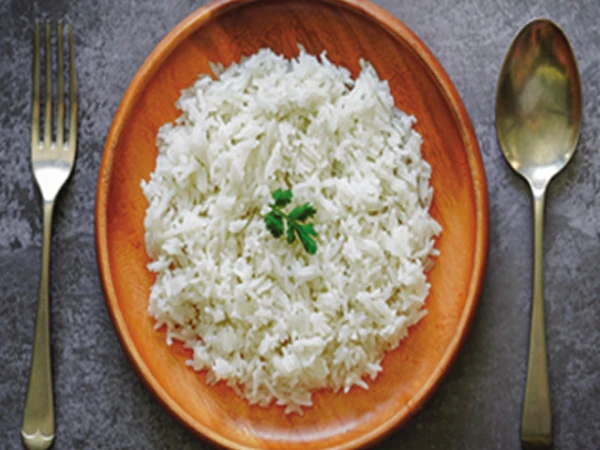
Since rice is an important part of Pakistani cuisine, many patients want to know whether they should give up rice completely or not._x000D_
_x000D_
According to nutritionists, diabetics do not need to completely avoid eating rice, however, choosing varieties that have a relatively low glycemic index (GI) may prove to be better. Low-GI foods are digested slowly, which affects blood sugar levels gradually rather than suddenly._x000D_
Brown Rice_x000D_
According to experts, brown rice is a better choice in this regard. Its glycemic index is around 50 and it contains a good amount of fiber, magnesium and antioxidants, which are considered beneficial for heart health as well as keeping sugar balanced._x000D_
Red Rice_x000D_
_x000D_
Red rice is also considered suitable for diabetics. Rich in fiber, protein, and antioxidants, this rice has a relatively low glycemic index. Experts say that compounds called anthocyanins in it can help reduce inflammation in the body and improve insulin sensitivity._x000D_
_x000D_
Basmati Rice_x000D_
_x000D_
There is also good news for basmati rice enthusiasts. According to nutritionists, regular white basmati rice has a relatively low GI compared to other white rice, while brown basmati rice is considered a better choice because it contains more fiber, vitamin B, and other minerals. Consuming it with vegetables or low-fat protein can be even more beneficial._x000D_
_x000D_
Wild Rice_x000D_
_x000D_
Wild rice, which is actually not traditional rice but a type of grass seed, is also gaining attention due to its low glycemic index. It is rich in protein, fiber, zinc, and magnesium, which are considered beneficial for overall health._x000D_
_x000D_
Black Rice_x000D_
_x000D_
Similarly, black rice or black rice is also considered a nutritious choice. The fiber and powerful antioxidants in them can not only help balance sugar but are also considered beneficial for heart and eye health._x000D_
_x000D_
Eating and cooking style_x000D_
_x000D_
Experts also emphasize that not only the type of rice is important, but the way it is cooked and eaten also affects blood sugar levels. According to them, it is better to cook rice slightly hard rather than overly soft. Moreover, cooling cooked rice for some time can increase the amount of resistant starch in it, which can reduce its glycemic effect._x000D_
_x000D_
Nutritionists recommend that protein-rich foods such as chicken, fish, lentils, chickpeas or beans should be added along with rice, while the bulk of the plate should consist of non-starchy vegetables. According to them, a balanced diet, proper quantity and a healthy lifestyle are the basis for effectively controlling diabetes.
